
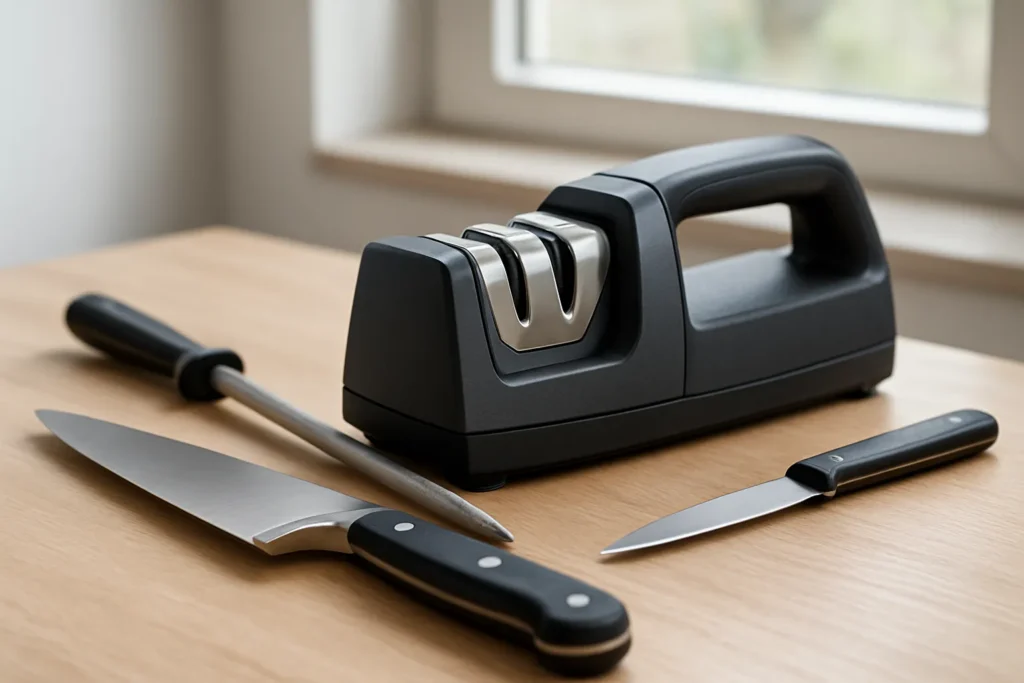
How to Choose the Best Professional Sharpening Tool for Your Kitchen
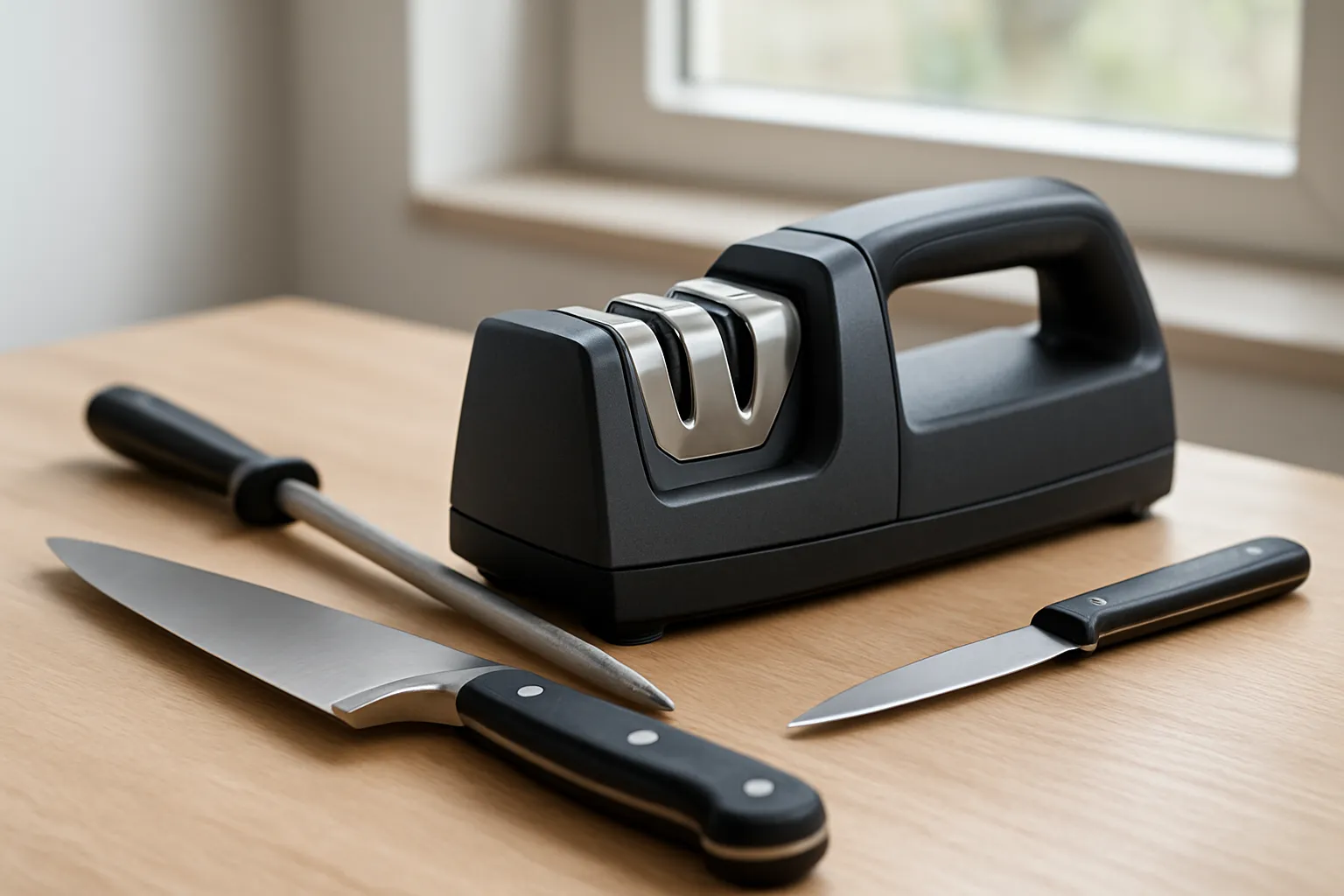
Introduction to Professional Sharpening Tools
In the fast-paced world of a restaurant kitchen, efficiency and precision are vital to success. One tool that can significantly enhance these qualities is the professional sharpening tool. A well-sharpened knife can be the difference between a smooth service and a chaotic kitchen atmosphere. Not only does a sharp knife elevate the quality of food preparation, but it also promotes safety; after all, dull knives often lead to accidents. Understanding the various types of professional sharpening tools available is essential for both restaurant owners and chefs.
Professional sharpening tools come in diverse forms, including manual sharpeners, electric sharpeners, and honing rods. Each type serves a distinct purpose and caters to different needs within a restaurant kitchen. In this article, we’ll delve into how to select the right sharpening tool to meet your kitchen’s demands, ensuring your knives remain in optimal condition for effective food preparation.
Key Specifications to Consider
When choosing a professional sharpening tool for your restaurant kitchen, several crucial specifications should be considered to ensure you make the best choice.
Blade Material and Quality
The effectiveness of a sharpening tool largely depends on its blade material’s quality. High-carbon stainless steel is often favored for its durability and resistance to corrosion. Additionally, ceramic blades can provide a fine edge but may not be suitable for all knife types. It’s important to select a sharpening tool that complements the materials used in your kitchen knives.
Sharpening Mechanism Types
Sharpening tools can utilize various mechanisms, including whetstones, diamond plates, and electric motors. Whetstones offer a traditional method and allow for customizable sharpening angles, while diamond plates are efficient for quick touch-ups. Electric sharpeners provide speed and convenience but may not always deliver the precision that professional chefs seek. Understanding the advantages and disadvantages of each mechanism will help you choose the right tool for your kitchen’s needs.
Size and Portability
In a bustling restaurant kitchen, space is often at a premium. Therefore, the size and portability of your sharpening tool are critical considerations. Compact manual sharpeners can be easily stored and moved, while larger electric models may require dedicated space. Evaluate your kitchen layout and the frequency of use when determining the ideal size for your sharpening tool.
Use Cases for Professional Sharpening Tools
Professional sharpening tools are indispensable in various scenarios within a restaurant kitchen.
Types of Knives Commonly Used
Different types of knives necessitate specific sharpening techniques. Chef knives, paring knives, and serrated knives each possess unique edge geometries. Understanding the knife types commonly used in your kitchen will assist you in selecting a sharpening tool that can accommodate all your needs.
Frequency of Use in a Busy Kitchen
In a hectic kitchen, knives can dull quickly, requiring frequent sharpening. A professional sharpening tool should be user-friendly and efficient enough to meet the demands of high-volume service. Assess how often your kitchen staff will need to sharpen knives to determine the best tool for your operation.
Impact on Food Preparation Efficiency
A sharp knife not only enhances cutting precision but also accelerates food preparation. This efficiency can lead to improved service times and heightened customer satisfaction. By investing in the right professional sharpening tool, you can boost your kitchen’s overall productivity and ensure your team works effectively.
Comparing Different Sharpening Tools
When evaluating professional sharpening tools, comparing the available options in the market is essential.
Manual vs. Electric Sharpeners
Manual sharpeners offer control and precision, allowing chefs to sharpen knives at their preferred angle. However, they require more time and skill to use effectively. Conversely, electric sharpeners provide speed and ease of use, making them suitable for high-volume kitchens. The choice between manual and electric sharpeners will depend on your kitchen’s specific needs and your staff’s skill level.
Professional vs. Consumer Models
Professional models are designed for heavy use and typically feature higher-quality materials and construction compared to consumer-grade sharpeners. While consumer models may be more affordable, they might not withstand the demands of a busy kitchen. Investing in professional-grade sharpeners can yield better long-term value and performance.
Price Range and Value Assessment
Professional sharpening tools come in a wide price range. While it may be tempting to opt for the cheapest option, consider the value each tool offers. A higher initial investment in a quality sharpening tool can result in savings over time through reduced knife replacement costs and improved kitchen efficiency.
Sourcing the Right Tool
Finding the right professional sharpening tool involves careful sourcing and evaluation.
Recommended Brands and Manufacturers
Several brands are renowned for their high-quality sharpening tools, including Chef’sChoice, Wüsthof, and Shun. Researching these brands and reading reviews can help you identify the best tools for your restaurant kitchen. Additionally, consider exploring options from Wuyi Huaying Kitchenware Co., Ltd. for a variety of sharpening tools.
Where to Buy: Online vs. Local Suppliers
Both online retailers and local suppliers offer professional sharpening tools. Online shopping provides convenience and a broader selection, but local suppliers may offer immediate purchase advantages and personal customer service. Consider your preferences and the specific needs of your kitchen when deciding where to buy.
Evaluating Supplier Reliability
When sourcing your sharpening tools, evaluating supplier reliability is vital. Look for suppliers with a strong reputation in the restaurant industry, positive customer reviews, and responsive customer service. This will ensure you receive quality products and support when needed.
Implementation in the Kitchen
Once you have selected the appropriate professional sharpening tool, proper implementation is key to maximizing its benefits.
Training Staff on Proper Use
Training your kitchen staff on how to use the sharpening tools effectively is crucial. Providing hands-on training sessions will ensure that all employees understand the sharpening process and can maintain the knives properly. This investment in training will pay off in the long run through improved knife performance and safety.
Maintenance and Care Tips
Regular maintenance of your sharpening tools is essential for longevity and effectiveness. Clean the sharpening surfaces after each use and store them in a dry place to prevent rust. Following the manufacturer’s guidelines for care will help keep your tools in optimal condition.
Integrating Sharpening Tools into Daily Operations
Incorporating sharpening tools into your daily kitchen routine can enhance efficiency. Consider designating specific times for knife sharpening, such as during prep hours or after service. This ensures that your knives remain sharp and ready for use, contributing to a smoother workflow.
Frequently Asked Questions
How Often Should Tools Be Sharpened?
The frequency of sharpening depends on usage. In a busy restaurant, knives may need sharpening daily or even multiple times a day. Regularly assessing knife performance will help determine the right schedule.
What to Do with Dull Knives?
Dull knives should be sharpened immediately to maintain safety and efficiency. Avoid using them for any significant cutting tasks until they are properly sharpened.
Are There Safety Concerns?
Yes, there are safety concerns associated with using sharpening tools. Always adhere to safety guidelines when sharpening knives, including keeping fingers clear of the blade and using the tool on a stable surface.
Conclusion
Choosing the right professional sharpening tool for your restaurant kitchen is a pivotal decision that can enhance efficiency, safety, and food quality. By considering the key specifications, use cases, and sourcing options outlined in this article, you can make an informed choice that meets your kitchen’s unique needs. Investing in quality sharpening tools and training your staff on their proper use will ensure that your knives remain in optimal condition, ultimately leading to a more productive and successful kitchen operation.