
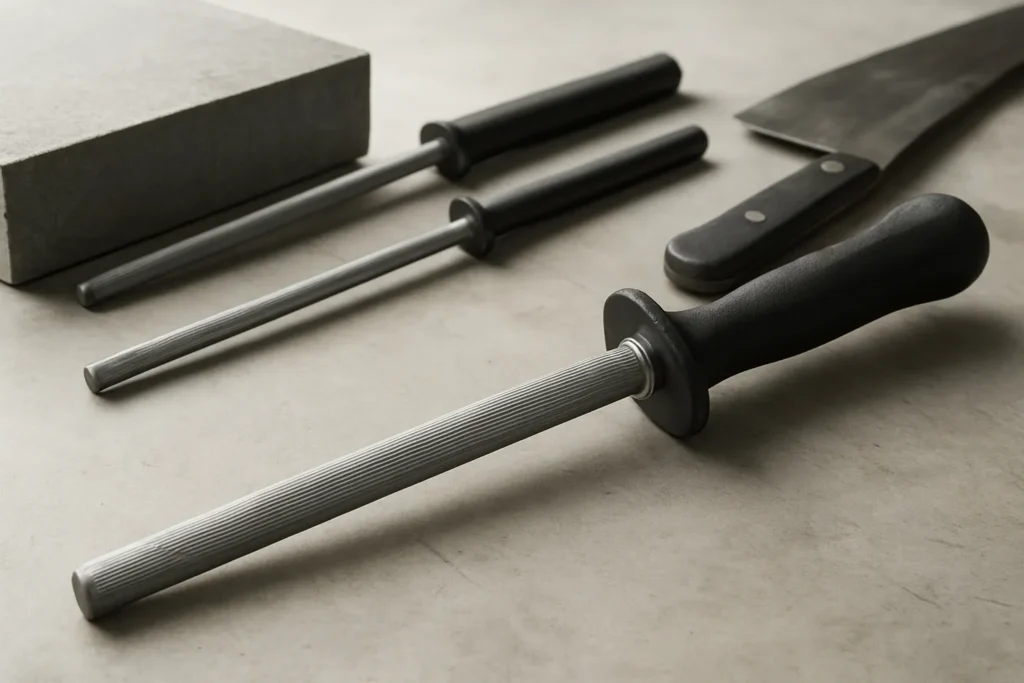
Understanding Durable Sharpening Rods for Industrial Use: Key Insights
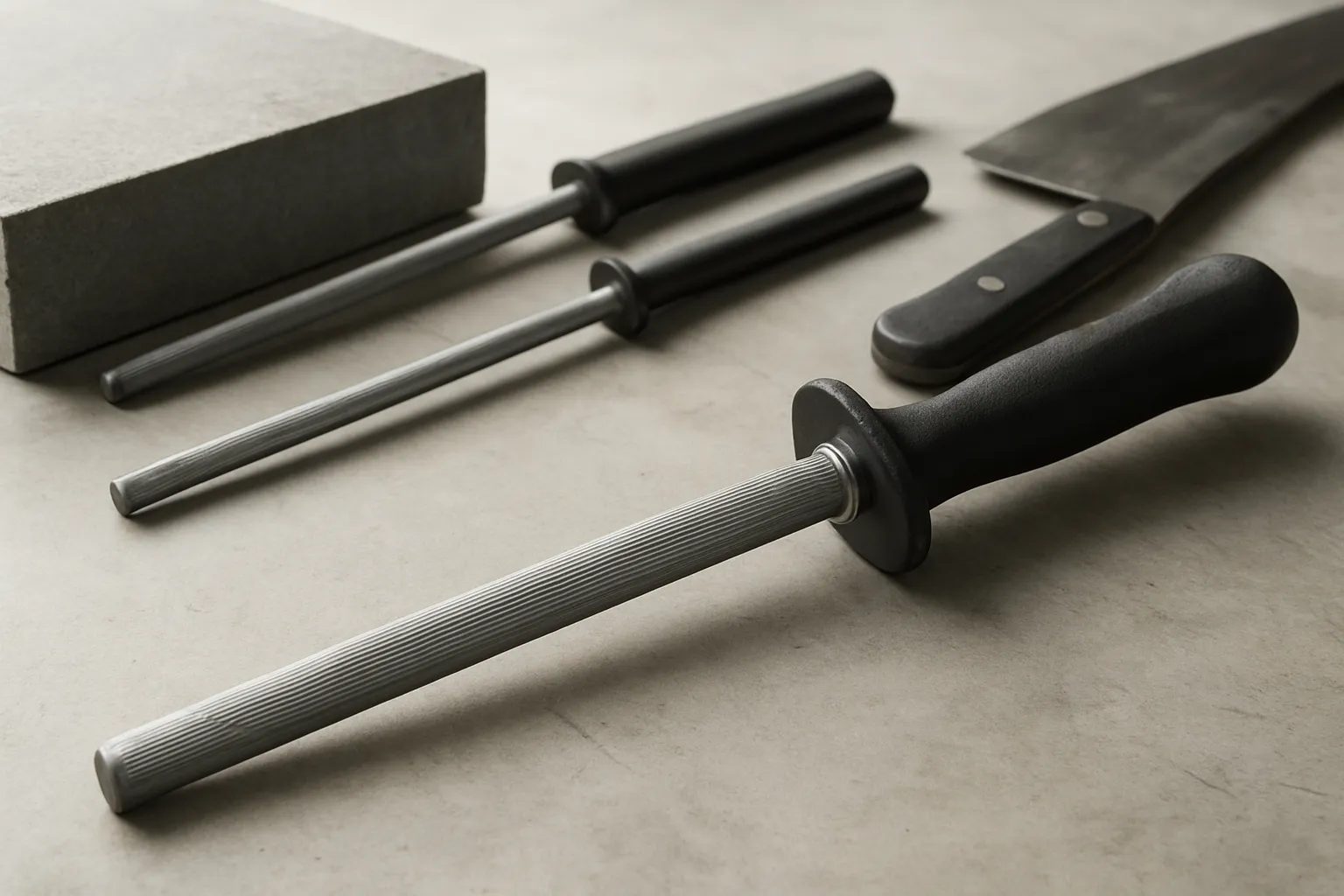
In the world of industrial sharpening tools, durable sharpening rods are vital for maintaining the sharpness of cutting instruments. These rods are specifically engineered to restore the edge of knives, blades, and various cutting tools across numerous industries. Their robust construction and reliability make them indispensable in environments where precision and efficiency are critical. In this article, we will delve into the advantages of durable sharpening rods, exploring their specifications, applications, and the significant impact they have on industrial operations.
Specifications of Durable Sharpening Rods
Durable sharpening rods come with several key specifications that enhance their performance and longevity, making them a preferred choice for many professionals.
- Material Composition: The materials used in the production of sharpening rods significantly influence their durability and effectiveness. High-carbon steel, ceramic, and diamond-coated options are common, each offering unique benefits. High-carbon steel rods are revered for their strength and ability to maintain a fine edge. Ceramic rods provide a smooth surface that is gentle on blades. Diamond-coated rods are the most abrasive, making them ideal for quickly restoring dull edges.
- Length and Diameter Options: Sharpening rods come in various lengths and diameters, allowing users to select the most suitable size for their specific applications. Standard lengths typically range from 10 to 14 inches, with diameters between 0.5 to 1 inch. Longer rods are perfect for larger blades, while shorter rods can be more manageable for smaller tools.
- Surface Finish and Texture: The surface finish of a sharpening rod can significantly affect its sharpening capabilities. Some rods feature a smooth finish ideal for honing, while others have a textured surface for more aggressive sharpening. Manufacturers may also offer rods with different grit levels, catering to diverse sharpening needs.
Use Cases for Industrial Sharpening Tools
Durable sharpening rods are versatile tools that find applications across multiple sectors, enhancing productivity and ensuring optimal performance of cutting tools.
- Applications in Manufacturing: In manufacturing environments, durable sharpening rods are essential for maintaining the sharpness of tools used in cutting, shaping, and assembling products. Regular sharpening minimizes downtime related to tool replacement and ensures consistent product quality.
- Role in Maintenance and Repair: Maintenance teams in industrial settings rely on sharpening rods to keep their cutting tools in peak condition. By consistently honing tools, they can extend their lifespan and improve overall operational efficiency. This proactive approach to tool maintenance reduces the frequency of costly repairs or replacements.
- Benefits in Food Processing Industries: The food processing sector particularly benefits from the use of durable sharpening rods. Sharp knives and blades are crucial for food safety and quality, as dull tools can lead to inconsistent cuts and increased risk of contamination. Regular use of sharpening rods helps maintain hygiene standards and enhances the overall efficiency of food preparation processes.
Comparing Durable Sharpening Rods to Other Sharpening Tools
When evaluating the best sharpening solution for industrial needs, it’s essential to compare durable sharpening rods with other sharpening tools.
- Sharpening Rods vs. Whetstones: While whetstones are popular for their versatility in sharpening various blades, they require a certain level of skill and practice. In contrast, durable sharpening rods are easier to use and can quickly restore an edge with minimal training. This makes them a practical choice for industrial environments where time and efficiency are critical.
- Sharpening Rods vs. Electric Sharpeners: Electric sharpeners offer convenience and speed but often at a higher cost. They can also remove more material from the blade than necessary, potentially shortening the lifespan of the tool. Durable sharpening rods, on the other hand, provide a more controlled sharpening process, allowing for precision without excessive wear.
- Cost-Effectiveness Analysis: From a cost-effectiveness perspective, durable sharpening rods often present a more economical option. They typically have a longer lifespan compared to other sharpening tools and can be used repeatedly without the need for replacement as frequently as whetstones or electric sharpeners.
Sourcing Durable Sharpening Rods
Finding the right suppliers for durable sharpening rods is crucial for ensuring quality and reliability.
- Key Suppliers and Manufacturers: Numerous manufacturers specialize in producing high-quality sharpening rods. It’s essential to research and identify reputable suppliers known for their durability and performance. Brands with a strong track record in industrial tools often provide the best options.
- Factors to Consider When Sourcing: When sourcing durable sharpening rods, consider factors such as material quality, manufacturing processes, and customer reviews. Additionally, look for suppliers who offer a range of sizes and types to cater to different industrial needs. For a comprehensive selection, check out the Products – Wuyi Huaying Kitchenware Co., Ltd. page.
- Quality Assurance and Certifications: Ensure that the sharpening rods meet industry standards and certifications. Quality assurance processes can significantly impact the reliability and effectiveness of the tools, making it crucial to verify the supplier’s adherence to these standards.
Implementing Durable Sharpening Rods in Industrial Operations
Integrating durable sharpening rods into industrial operations involves training and maintenance protocols to maximize their effectiveness.
- Training Staff on Proper Use: It is vital to provide training for staff on the correct use of sharpening rods. Proper technique not only ensures safety but also enhances the effectiveness of the sharpening process. Training sessions can include demonstrations and hands-on practice to build confidence among employees.
- Maintenance and Care Guidelines: To prolong the life of sharpening rods, implement maintenance and care guidelines. This includes regular cleaning after use and proper storage to prevent damage. Educating staff on these practices can significantly impact the longevity and performance of the tools.
- Measuring Effectiveness and Performance: Establishing metrics to measure the effectiveness of sharpening rods in your operations can help assess their impact. Regular evaluations can identify areas for improvement and ensure that the tools are delivering the desired results in terms of efficiency and productivity.
Frequently Asked Questions
- What Makes a Sharpening Rod Durable? A durable sharpening rod is typically made from high-quality materials such as high-carbon steel or diamond coatings, designed to withstand frequent use without losing effectiveness.
- How Often Should Sharpening Rods Be Replaced? The lifespan of a sharpening rod depends on usage frequency and care. Generally, with proper maintenance, they can last for several years, but regular inspections are recommended to ensure they remain effective.
- Can Sharpening Rods Be Used on All Knife Types? While durable sharpening rods are versatile, they are most effective on straight-edged knives. Specialty knives, such as serrated blades, may require different sharpening tools for optimal results.
In conclusion, durable sharpening rods are invaluable tools in industrial settings, providing a reliable and efficient means of maintaining cutting instruments. Their robust specifications, versatile applications, and cost-effectiveness make them a preferred choice over other sharpening tools. By sourcing high-quality rods and implementing proper training and maintenance protocols, businesses can enhance productivity and ensure the longevity of their cutting tools.