
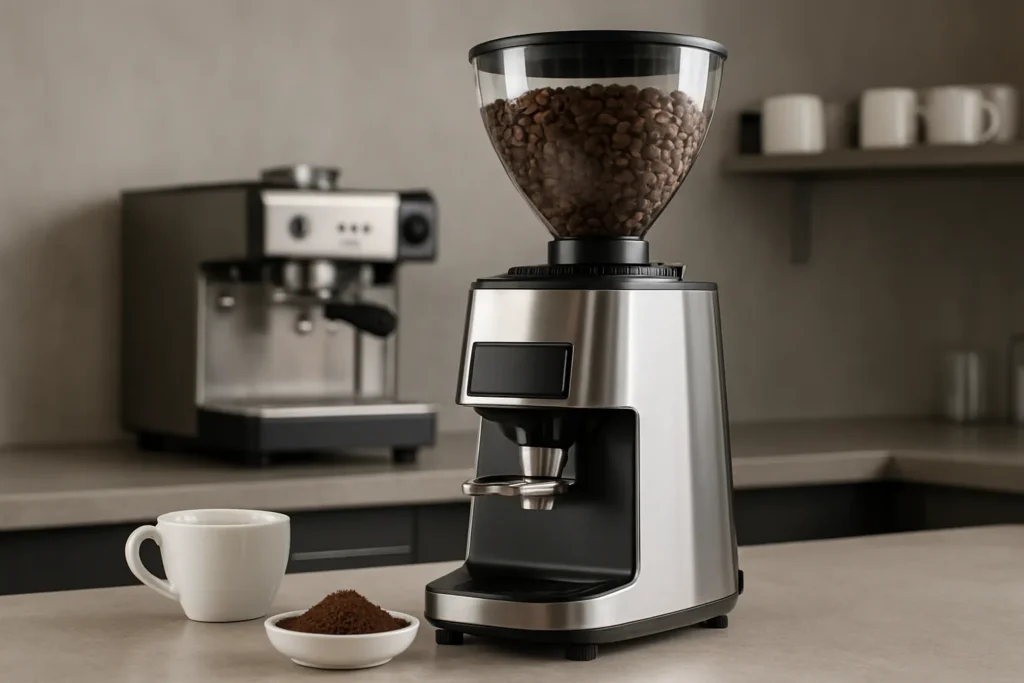
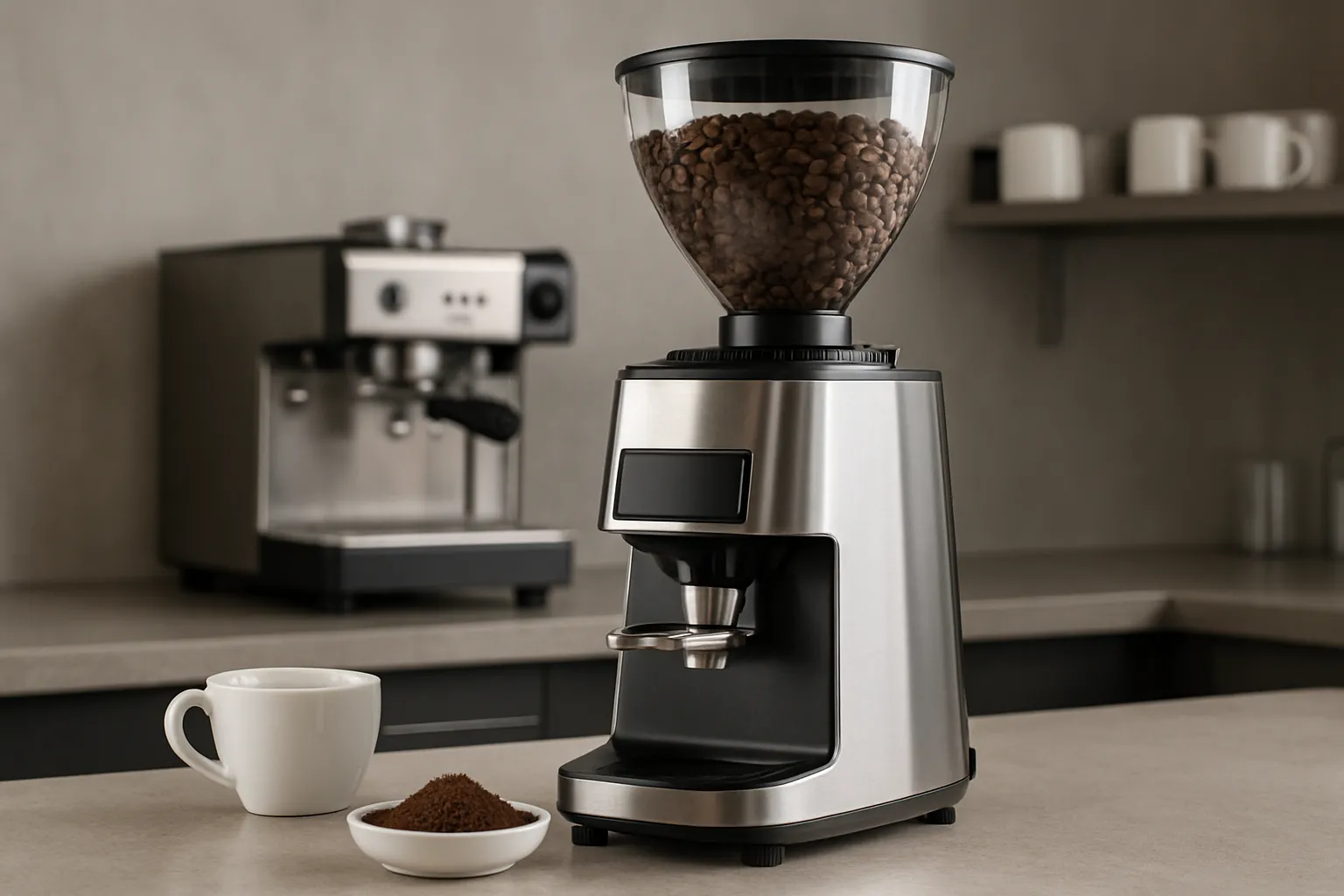
Introduction to Wholesale Coffee Grinders
In the competitive food service industry, delivering high-quality coffee can greatly impact customer satisfaction and foster loyalty. A wholesale coffee grinder is an indispensable tool that plays a vital role in brewing freshly ground coffee, essential for unlocking optimal flavor and aroma. This article delves into the key features to consider when choosing a wholesale coffee grinder, helping you make an informed decision that fits your business requirements.
Specifications to Consider
When it comes to selecting a wholesale coffee grinder, there are several specifications to keep in mind to ensure it meets the operational demands of your food service business.
Grinding Capacity
Grinding capacity is a fundamental feature, particularly for high-volume establishments like coffee shops and catering services. A grinder with a larger capacity can handle bulk grinding, significantly reducing wait times during peak hours. I recommend looking for grinders that can process a substantial amount of coffee beans per batch, as this will help streamline your operations and enhance service speed.
Grind Settings
Different coffee beverages demand varying grind sizes to extract the best flavors. A versatile wholesale coffee grinder should offer multiple grind settings, ranging from coarse to fine. This flexibility allows you to cater to a diverse array of coffee types, including espresso, drip coffee, and French press. From my experience, ensuring your grinder accommodates various grind sizes can elevate the quality of your offerings and satisfy a wide range of customer preferences.
Motor Power and Speed
The motor power and speed of the grinder have a direct impact on its performance. A robust motor can grind coffee beans quickly and efficiently, minimizing downtime and maximizing productivity. I suggest looking for grinders equipped with powerful motors that maintain consistent performance, even under heavy use. Additionally, the speed of the grinder can influence the amount of heat generated during operation, which can ultimately affect the flavor profile of the coffee. Grinders that operate at lower temperatures are preferable, as they help preserve the delicate oils and flavors of the beans.
Use Cases for Food Service Businesses
Understanding the specific use cases for different food service businesses can aid in selecting the appropriate wholesale coffee grinder.
Coffee Shops
For coffee shops, a high-performance grinder is essential for crafting a variety of coffee beverages. The ability to quickly adjust grind sizes enables baristas to prepare drinks to order, ensuring freshness and quality. Moreover, coffee shops often need grinders that can handle both single servings and larger batches, making versatility a crucial feature.
Restaurants
In restaurants, coffee is frequently served as an after-dinner indulgence. A wholesale coffee grinder that can produce high-quality grounds swiftly is vital for maintaining efficiency during busy dining hours. Restaurants may also benefit from grinders that support various brewing methods, enhancing the overall dining experience for guests.
Catering Services
Catering services operate in diverse settings, from corporate events to weddings. A portable and user-friendly wholesale coffee grinder is a must for these businesses. It should be capable of producing large quantities of coffee quickly while remaining adaptable to different environments and equipment. This kind of flexibility allows caterers to provide freshly brewed coffee, no matter the venue.
Comparing Different Types of Coffee Grinders
When shopping for a wholesale coffee grinder, it’s crucial to understand the distinctions between various types of grinders.
Blade vs. Burr Grinders
Blade grinders are typically more affordable and easier to use, but they can produce uneven grind sizes, which may compromise the flavor of the coffee. Burr grinders, in contrast, offer a consistent grind size and are favored by professionals for their ability to enhance coffee quality. For food service businesses focused on delivering premium coffee, investing in a burr grinder is often the more prudent choice.
Manual vs. Automatic Grinders
Manual grinders can be a cost-effective solution for smaller operations or those seeking a hands-on approach. However, they require more effort and time to produce grounds. Automatic grinders, while generally more expensive, provide convenience and speed, making them ideal for high-volume establishments. The choice between manual and automatic should align with your business’s operational needs and budget constraints.
Commercial vs. Home Grinders
Commercial grinders are designed to endure heavy use and deliver consistent performance in bustling environments. They often come equipped with advanced features such as programmable settings and larger hoppers. Home grinders, while suitable for personal use, typically do not meet the demands of a food service operation. For businesses, investing in a commercial-grade grinder is essential for ensuring reliability and quality.
Sourcing the Right Wholesale Coffee Grinder
Finding the right supplier for your wholesale coffee grinder is vital for guaranteeing quality and reliability.
Reputable Suppliers
When sourcing a wholesale coffee grinder, seek out suppliers with a solid reputation in the food service equipment industry. Conduct research on customer reviews and testimonials to assess the reliability of the supplier. Established suppliers often offer a wider range of products and superior customer service, which can be invaluable for your business.
Pricing Considerations
Price is a significant factor when selecting a wholesale coffee grinder. While opting for the cheapest option may be tempting, consider the long-term value and durability of the grinder. Investing in a higher-quality grinder may lead to lower maintenance costs and better performance over time, ultimately yielding a better return on investment.
Warranty and Support
A strong warranty and dependable customer support are essential when purchasing food service equipment. Ensure that the grinder you choose comes with a warranty covering parts and labor. Additionally, verify if the supplier offers technical support or maintenance services, as this can save you time and money in the long run.
Implementation and Maintenance
Once you have chosen the right wholesale coffee grinder, proper implementation and maintenance are critical for ensuring its longevity and performance.
Installation Tips
When installing your grinder, ensure that it is placed on a stable surface to minimize vibrations during operation. Follow the manufacturer’s guidelines for setup, and consider the workflow of your establishment to determine the best location for the grinder. Proper installation can enhance efficiency and ease of use.
Regular Maintenance Practices
Regular maintenance is vital for keeping your grinder in optimal condition. This includes cleaning the grinder routinely to prevent oil buildup and ensure consistent grind quality. Adhering to the manufacturer’s recommendations for cleaning frequency and methods, as well as checking for any wear and tear on parts that may need replacement, is essential.
Troubleshooting Common Issues
Common issues with coffee grinders can include uneven grind size, overheating, or mechanical failures. Familiarize yourself with the troubleshooting guidelines provided by the manufacturer. Regularly inspecting the grinder for any signs of malfunction can help you address issues before they escalate, ensuring uninterrupted service.
Frequently Asked Questions
What is the best grind size for different coffee types?
The ideal grind size varies depending on the brewing method. For instance, a coarse grind is best suited for French press, while a fine grind works well for espresso. Understanding these differences can help you optimize your coffee offerings.
How often should I replace my grinder?
The lifespan of a coffee grinder depends on its usage and maintenance. Generally, a well-maintained commercial grinder can last several years. However, if you notice a significant drop in performance or face consistent issues, it may be time to consider a replacement.
Are there specific brands recommended for food service?
Several brands are well-regarded in the food service industry for their quality and performance. Researching brands such as Baratza, Mazzer, and Breville can provide insights into reliable options for your wholesale coffee grinder needs.
Conclusion
Selecting the right wholesale coffee grinder is a pivotal decision for any food service business aiming to deliver top-quality coffee. By considering specifications such as grinding capacity, grind settings, and motor power, as well as understanding the different types of grinders available, you can make an informed choice that aligns with your operational requirements. Sourcing from reputable suppliers and investing in proper maintenance will ensure that your grinder remains a reliable asset in your food service equipment lineup. With the right grinder in place, you can enhance your coffee offerings and elevate the overall customer experience.